

The flow of goods as we know it today could not function in its current form without material handling equipment. There are several types of such equipment, but for the purposes of this article, only lift trucks – commonly known as forklifts – will be relevant.
The history of these machines began as early as the start of the 20th century and, like many inventions from that period which we still use today, has undergone a long process of refinement and development. The primary aim of the earliest designs was, above all, to create a machine capable of transporting loads and, with the development of hydraulic systems, to lift them as well. Over time, loads were lifted to ever greater heights, which led to an increased focus on health and safety at work.
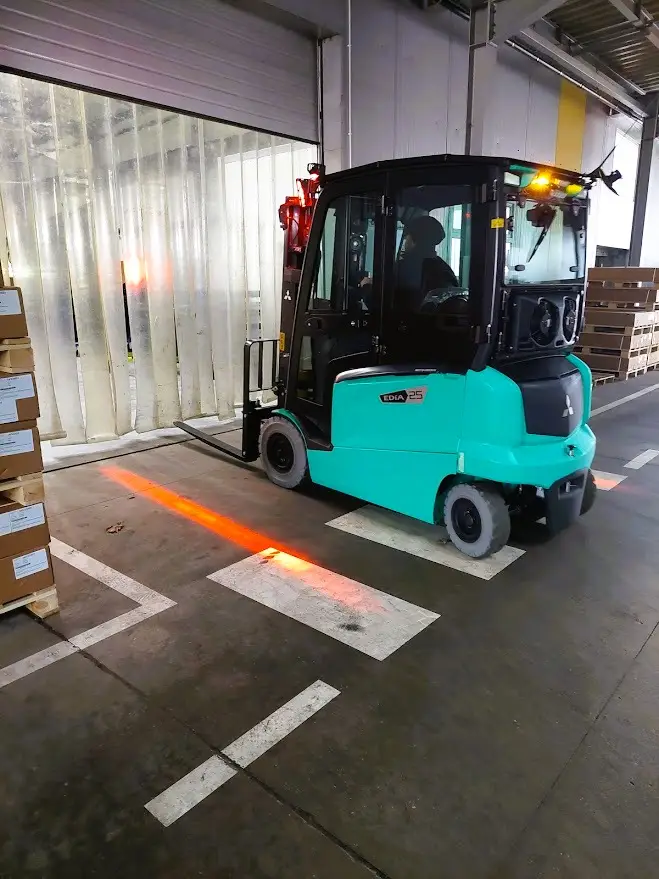
In the 1980s, greater attention began to be paid to operator safety, which led to the widespread adoption of protective frames. These frames were designed to protect the operator from the consequences of the machine overturning or falling objects. Safety frames could be fitted as a fully enclosed cab, which further facilitated the operator’s work by protecting them from adverse weather conditions.
When discussing the first cabs, it is worth mentioning Henmar Cabins, a company that has been manufacturing forklift cabs since 1999. The first cabs were very simple in design. Their primary purpose was to protect the operator from rain and wind without compromising visibility. On cold days, the interior of the cab could be heated using a heater.
It is difficult to define the customers’ requirements from that period with any certainty, as they were relatively simple — they expected solutions that were inexpensive and effective. The cab was to be airtight and not hinder the operator’s work, providing a genuine convenience for the operator.
With the benefit of hindsight, the changes that followed come as no surprise. As forklift trucks were fitted with new power sources, quieter and more efficient engines, and more precise controls, expectations regarding the operator’s cab also grew. This was influenced by a number of factors, including increasing occupational safety requirements, advances in workplace ergonomics, greater concern for operators’ health, and changes in the labour market, where comfort has become a key factor in determining the attractiveness of a job. The mere presence of a cab was no longer sufficient.
Greater attention began to be paid to functionality and ergonomics, with machines being fitted with additional features to improve comfort, such as upholstery, mirrors to enhance the field of vision, and sun visors. In the case of heating systems, it was not only the heaters themselves that became important, but also their heating capacity, air flow rates, the number of air distribution ducts and their location. In addition to ensuring thermal comfort during the colder months, manufacturers also began to seek ways to cool the cab interior during the summer, which led to the widespread adoption of air-conditioning systems in forklift trucks. For machines operating in particularly harsh conditions, such as in ports, the chemical industry or waste processing, paint coatings with enhanced corrosion resistance are available. These are not all the available solutions, but a full list is not necessary to illustrate the general trend, which is the consistent search for ways to improve the comfort and safety of the machine operator.
What are the requirements for an operator’s cab today? Current customer expectations boil down to finding a balance between durability, comfort and ergonomics on the one hand, and purchase cost on the other. Price has always played a significant role, but nowadays the cost of obtaining additional features is more important than in the past. Increased user awareness means that it is difficult to do without certain conveniences. Consequently, savings are sought in aesthetic aspects or in selected technical solutions that do not directly affect the operator’s day-to-day work, but rather, for example, maintenance tasks.
It can be said that we are witnessing a shift in trend which will set the direction for our development in the coming years. This will primarily involve striving to achieve a high standard of cabin whilst maintaining an attractive price.